Cell signal boosters assembled in St. George
The company behind weBoost asked to be regulated. Wilson Electronics, a signal booster maker in St. George, had been urging the FCC to write rules for boosters since 2007, Macworld reported in 2012. The worry was interference, since a badly behaved booster can disrupt the cell tower it is trying to reach. Wilson said its own products got along fine with carrier networks and that some others might not.
Jim Wilson got his ham radio license at 14, the company says, and began building antennas in his parents' garage. By 1968 his first company was selling CB antennas and two-way radios that became a status symbol for truckers. In 1997 he was working away from home and could not stay in touch with his family because of poor cell coverage. After three years of development, the company says, he patented the first cell signal amplification solution.
In July 2011 Wilson and Verizon Wireless filed a joint proposal with the FCC that sorted boosters into categories with their own rules, Phone Scoop reported. By June 2012 Wilson and two other manufacturers had agreed with two carriers on rules requiring boosters that can shut down or cut power to protect a carrier's signal. Wilson's vice president of sales later called 2014 the year the FCC got more involved. The company launched weBoost as its consumer brand that same year.
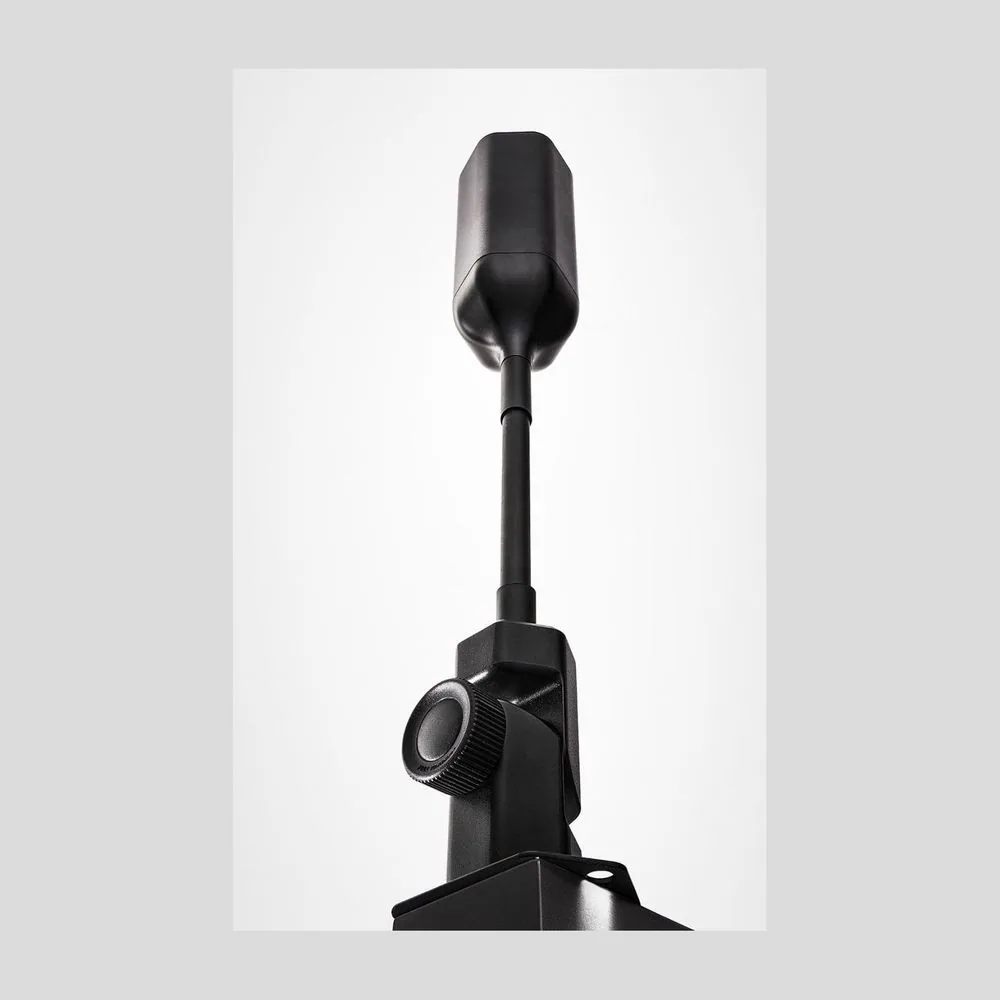
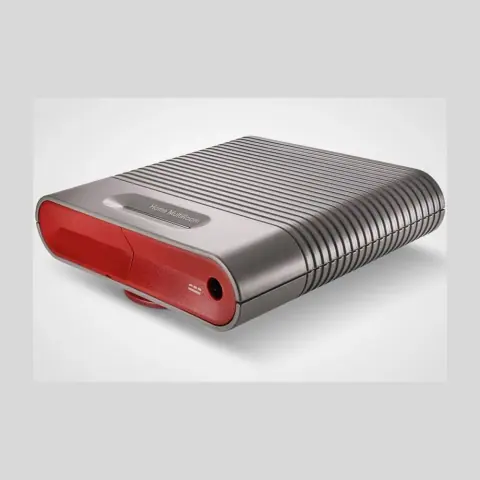
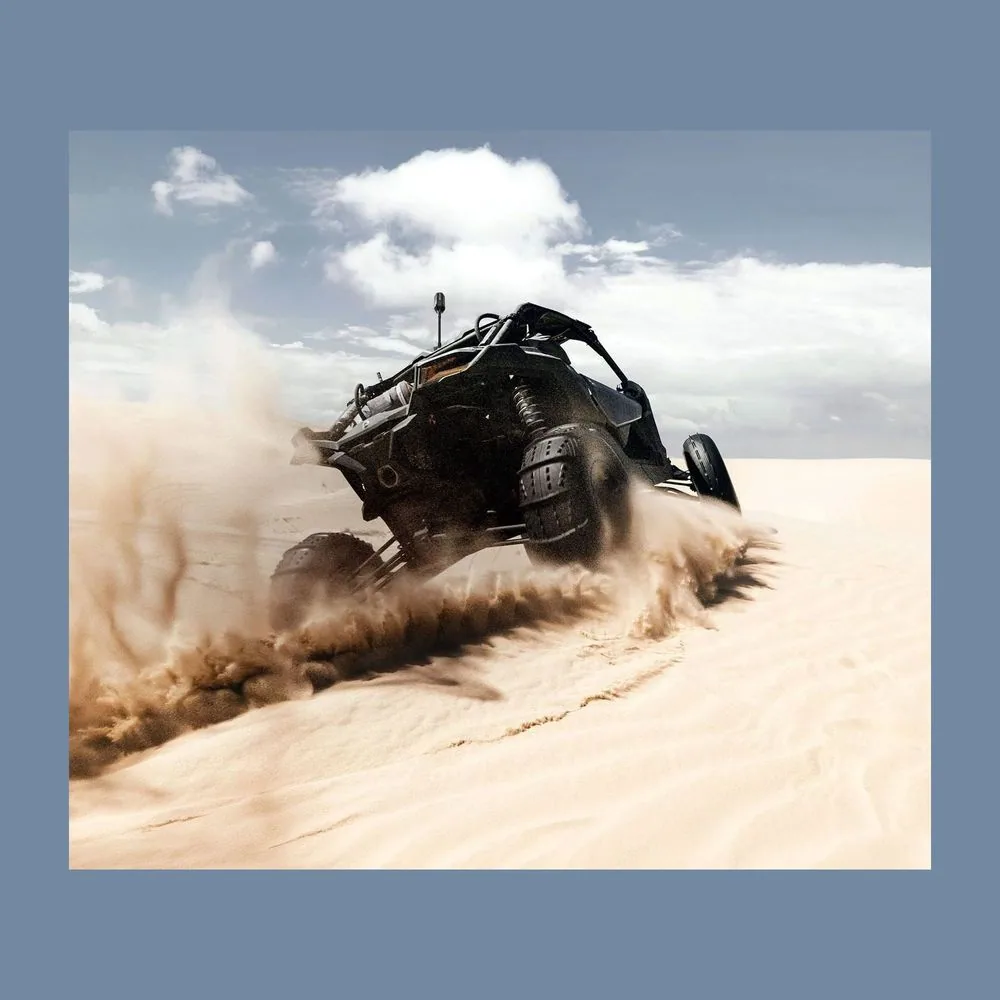
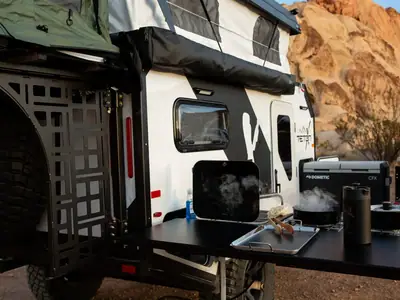
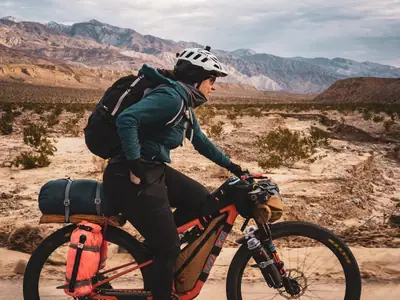
Most of what Wilson sold in 2012 went into vehicles, its chief operating officer told Macworld. Drive Reach Overland, built for off-road rigs, delivers the maximum gain the FCC allows, the company says. Its outside antenna mount folds down to clear roof gear and trail hazards. There is no subscription, and vehicle and home boosters carry a two-year warranty.
weBoost says its boosters are designed and assembled in St. George. In August 2025 Wilson Connectivity, as the parent now calls itself, opened a 90,000 square foot plant on Venture Drive with 150 employees. St. George News reported that most of the manufacturing there is automated.
CEO Bruce Lancaster said returned products are refurbished to their original specification or recycled. He said that only pays off for a maker that does not have to ship them back across an ocean. The company has also had a private equity investor since 2022, Trive Capital of Dallas.
Before that plant opened, Lancaster said, the company was split across four buildings about 8 miles away, and it was tough to communicate. For a company that sells better reception, that was a lot of walls.
Researched and written by Beehive Made. Last checked .
Work at weBoost? Confirm this page or send a fix. Get the badge for your site too.
weBoost says professional storm chaser Ricky Forbes relies exclusively on its Drive Reach Overland booster.
The Monday email
What Utah brands launched this week, every Monday. Sign up and the State of Utah Brands report is yours as a thank-you.