Portable power born of a Congo solar kit
Goal Zero, headquartered in Bluffdale, traces back to a hotel breakfast buffet in China. Robert Workman was on a sourcing trip for Provo Craft, the Spanish Fork craft company he had bought from his parents. There he was introduced to Phil Malua, who asked him to come help in the Democratic Republic of the Congo. Workman eventually went, and in March 2007 he started a nonprofit called Tifie.
In April 2008 the first GoBe solar kits, each a battery pack with an LED light, were tested in the Congo. Goal Zero launched as a business in 2009. Its Escape 150 was one of the first products to put a battery and an inverter in one box, and the company calls itself the originator of the portable power station.
The Yeti 1250 sold out within a day and a half of its December 2012 launch. The company says its compact Yetis can run a pellet grill. The founding goal still reads "Zero People without Power."
NRG Energy bought Goal Zero in 2014. In April 2025 BioLite of Brooklyn acquired it and combined the two companies' core teams, though Goal Zero still sells under its own name.
Researched and written by Beehive Made. Last checked . Confirmed by the brand, .
Work at Goal Zero? Send a fix any time. Get the badge for your site too.
Goal Zero engineers once helped design a brick that needed fewer materials, for a brick factory in the Congo that Tifie, Robert Workman's nonprofit, invested in.
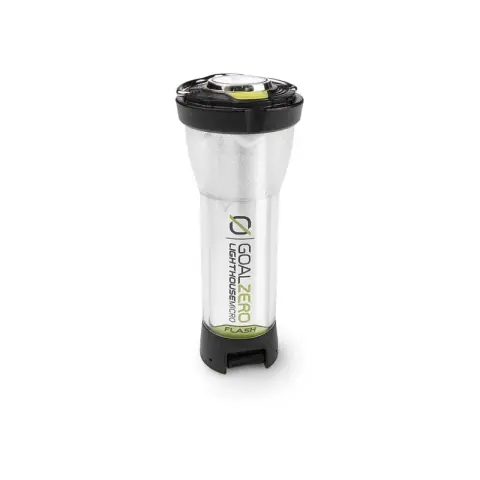
A Utah classic, and their gear is all over my house. The Lighthouse lantern with the hand crank is my favorite.
Alex
The Monday email
What Utah brands launched this week, every Monday. Sign up and the State of Utah Brands report is yours as a thank-you.
New from Goal Zero
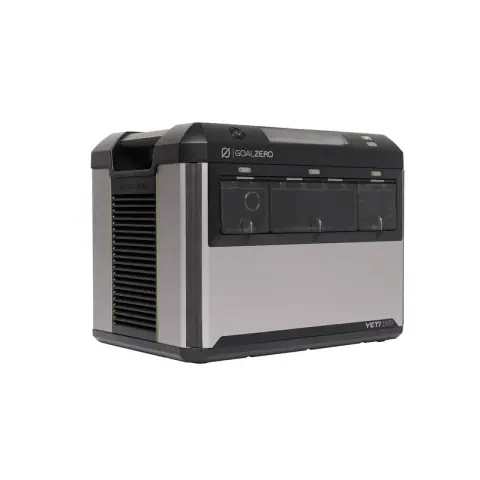
Yeti 1500 portable power station
A 1,505 watt hour power station on a lithium iron phosphate battery that Goal Zero rates for more than 3,500 cycles to 80% capacity. It costs $1,499.95 and carries a five year warranty.